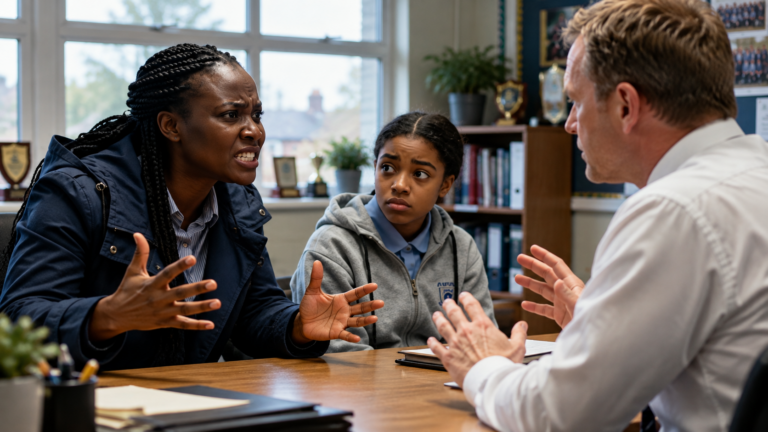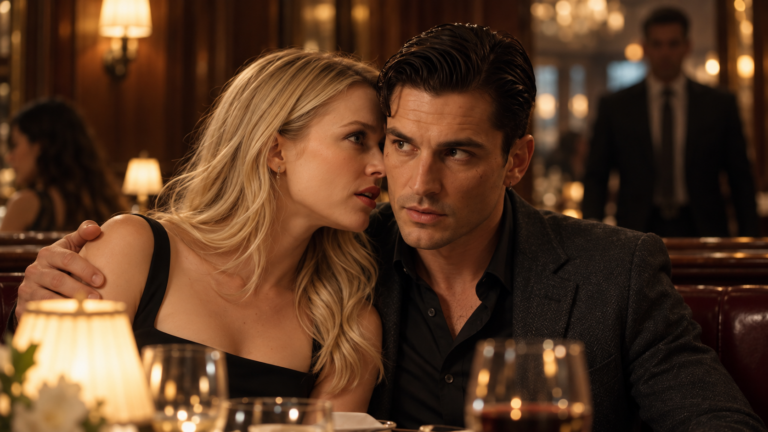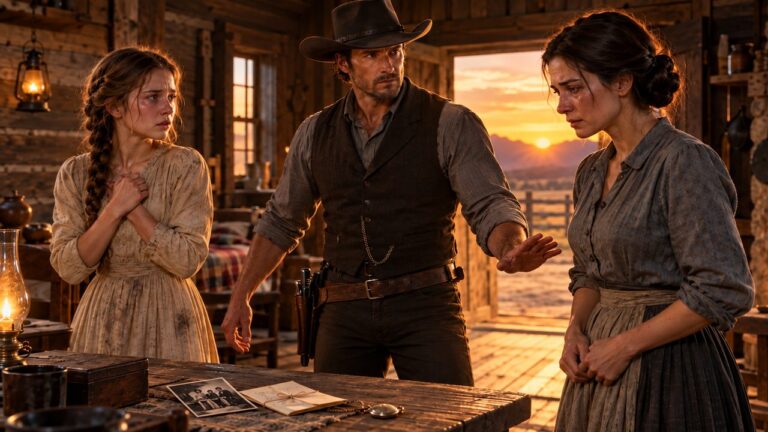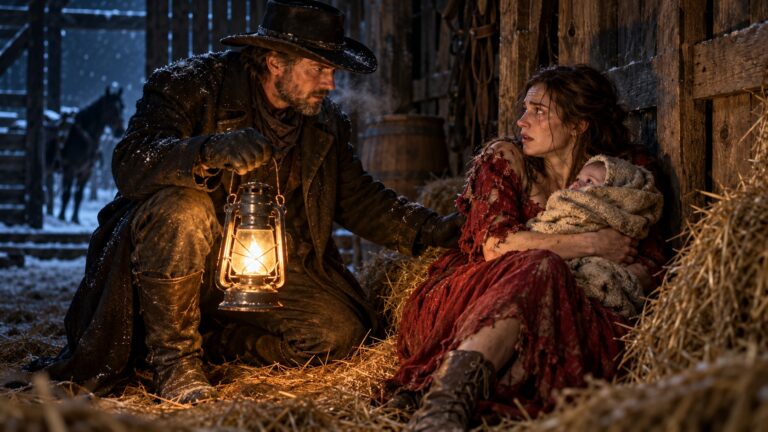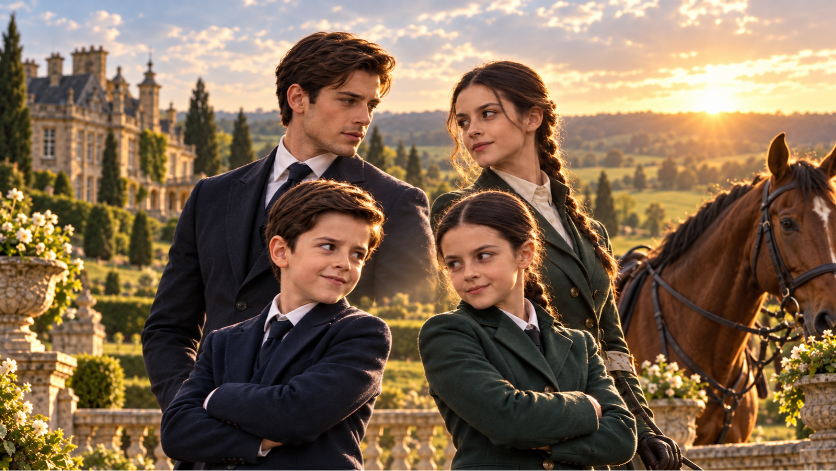
Theo Vale had been told all his life that he was difficult.
His tutors called him restless.
His grandmother called him spirited.
The headmaster at St. Edmund’s used the phrase “exceptionally resistant to structure,” which Theo’s grandfather translated as, “You are becoming expensive.”
Theo preferred difficult.
It sounded intentional.
At ten years old, he had already been expelled from one preparatory school for setting off the emergency sprinklers during a chemistry demonstration, suspended from another for releasing twelve frogs into the headmaster’s office, and permanently banned from accompanying his grandmother to charity luncheons after replacing the labels on a silent auction.
His grandfather, Augustus Vale, found none of this amusing.
Not publicly.
Privately, there were occasions when his mouth moved in suspicious ways.
The Vales belonged to the kind of family whose wealth had existed long enough to acquire habits. They owned properties they referred to by village rather than address. Their lawyers had lawyers. Their children learned table settings before fractions and were expected to know the difference between privacy and secrecy before adolescence.
Theo knew exactly how rich his family was because people behaved differently around him.
Adults laughed at jokes that were not funny.
Shopkeepers remembered his name.
Teachers hesitated before punishment.
He had learned from this what children often learned from power before anyone taught them restraint: that consequences were negotiable.
Augustus considered that his own failure.
That was why, on a wet November afternoon, Theo found himself sitting in the rear of a black Bentley on the way to the family’s country estate with no phone, no games console and no possibility of escape.
He wore a dark navy suit because they had attended a memorial lunch in the city. His tie had already been loosened.
Across from him, Augustus was asleep.
At the wheel sat Mr. Bell, the family chauffeur and household manager, who had been employed by the Vales since before Theo was born.
Theo watched the rain crawl down the windows.
Five minutes passed.
Then seven.
Then nine.
“Mr. Bell.”
“No.”
“I didn’t ask anything.”
“You were about to.”
Theo smiled.
Mr. Bell watched him in the mirror.
“What happens if I press this?”
“Don’t.”
Theo’s finger hovered above the rear climate control.
“What about this?”
“Master Theo.”
“I hate when you call me that.”
“It is one of the few pleasures left to me.”
Theo pressed the button.
Cold air blasted into the cabin.
Augustus stirred.
Theo quickly switched it off.
Mr. Bell sighed.
Theo waited thirty seconds.
Then reached forward and flicked the chauffeur’s collar.
Mr. Bell nearly jumped.
“Stop that.”
Theo laughed.
Augustus opened one eye.
“Theodore.”
“I didn’t do anything.”
“You are saying that before being accused.”
Theo sat back.
Augustus closed his eye again.
Two minutes later, Theo found a folded umbrella beside the rear seat.
He extended it slowly between the front headrests.
Mr. Bell saw it in the mirror.
“Don’t.”
Theo tapped his shoulder.
“Stop.”
Another tap.
“Master Theo.”
Tap.
Mr. Bell swatted backward.
Theo pulled away, delighted.
Augustus, without opening his eyes, said, “If the car enters a hedge, I am leaving you there.”
Theo grinned.
“Promise?”
The next tap came precisely as Mr. Bell reached a narrow country junction.
He turned sharply to catch the umbrella.
The left tires slipped from the wet road.
Mr. Bell corrected.
Too hard.
The Bentley crossed onto a smaller lane.
Theo shouted with delight.
Augustus woke fully.
“What happened?”
“Nothing,” Theo said.
Mr. Bell’s jaw tightened.
“We missed the turn.”
“Because?”
Mr. Bell looked into the mirror.
Theo immediately examined his cuff.
Augustus looked at him.
“Theodore.”
“What?”
The lane narrowed further.
Rain had turned the road into muddy brown tracks between stone walls.
Mr. Bell slowed.
“There should be another way through.”
There wasn’t.
A mile later, the engine coughed.
The dashboard flashed.
Mr. Bell frowned.
The car rolled another twenty meters and stopped.
Silence.
Theo leaned forward.
“Did I break it?”
Mr. Bell turned around.
“Not personally.”
Theo smiled.
Augustus rubbed his face.
“Where are we?”
Mr. Bell looked at the navigation.
“Approximately nowhere.”
Theo opened the door before either man could stop him.
His polished black shoe sank into mud almost to the ankle.
He stared down.
Then up.
“This place is disgusting.”
The lane cut through a small livestock farm that appeared to consist mostly of wet fences, old stone buildings and animals Theo considered unnecessarily large.
His second shoe sank when he stepped out fully.
“Wonderful.”
Augustus emerged more carefully.
Mr. Bell opened the bonnet.
Theo looked around.
A pair of pigs watched him through a fence.
He looked back at them.
“Don’t.”
One pig snorted.
Theo turned away.
Then he heard hooves.
A chestnut horse appeared around the bend ahead.
The rider was a girl.
She looked about twelve.
Brown boots.
Old riding trousers.
A faded green jacket.
Dark hair tied badly behind her head.
She sat on the horse without a saddle, holding the reins loosely with one hand.
Theo stared.
The girl stared back.
Then she looked at the Bentley blocking most of the lane.
“Move your city toy.”
Theo blinked.
Mr. Bell closed his eyes.
Augustus turned slightly away.
Theo stepped forward.
“Excuse me?”
The girl pointed at the car.
“Move it.”
“It’s broken.”
“Then unbreak it.”
Theo stared at her as though she had spoken another language.
“Do you know what this car costs?”
“No.”
“It’s more than this whole farm.”
The girl’s face remained blank.
Theo gestured toward the barns.
“I could probably buy your house too.”
Augustus said, “Theo.”
But Theo was already enjoying himself.
He stepped closer.
“Actually, I could buy the farm and make your family live in the field.”
The girl swung one leg over the horse and dropped to the ground.
Theo looked up.
She was taller than he expected.
Not by much.
Enough.
“What are you doing?”
She handed the reins over the fence.
Theo smirked.
“What? You’re going to pick the car up?”
The girl looked at the Bentley.
Then at Theo.
“No.”
Theo laughed.
“Thought so.”
She walked past him.
At the edge of the lane lay a long iron pry bar used for shifting fence posts.
She picked it up.
Mr. Bell finally looked interested.
The girl wedged the bar beneath the rear wheel assembly.
Then she collected two flat stones, built a crude fulcrum and placed the iron across it.
Theo frowned.
“What are you doing?”
She did not answer.
She leaned down.
Her shoulders tightened.
One boot dug deep into the mud.
She pushed.
The rear of the Bentley rose several centimeters.
Theo stopped smiling.
Mr. Bell stared.
Augustus’s eyebrows lifted.
The girl shifted the bar.
Pushed again.
The rear wheel slid sideways.
Then again.
The car’s angle changed.
“What are you doing?” Theo shouted.
“Moving your toy.”
The final shove sent the rear tires off the crown of the lane.
Gravity did the rest.
The Bentley slid sideways into the soft ditch with a wet, expensive sound.
Theo’s mouth opened.
The girl retrieved the bar.
The lane was clear.
She mounted the horse.
Theo pointed at the car.
“You threw my car into a swamp!”
“It’s a ditch.”
“You’re insane!”
She looked down at him.
“Move next time.”
Then she rode past.
Augustus laughed.
Not politely.
Not quietly.
Theo stared at him.
“You think that’s funny?”
Augustus wiped his eyes.
“I haven’t enjoyed a breakdown this much in years.”
The girl’s grandfather arrived fifteen minutes later.
His name was Gideon Cross.
He came running from the farmhouse in a waxed coat, one hand holding his hat against the rain.
“Mara!”
The girl had already returned.
She stood beside the barn as though nothing unusual had occurred.
Gideon saw the Bentley.
Then Augustus.
Then Theo.
His face drained.
“Oh, God.”
Augustus held up one hand.
“It’s all right.”
“It absolutely isn’t.”
Gideon looked at Mara.
“What did you do?”
“Moved it.”
“Into the ditch?”
“It was blocking the lane.”
Theo shouted, “She pushed a quarter-million-pound car into mud!”
Mara looked at him.
“It moved.”
“That isn’t the point!”
Gideon removed his hat.
“Sir, whatever the damage is, I’ll pay it.”
Augustus looked at the farm.
The patched roof.
The aging machinery.
The horse fence repaired with mismatched timber.
“No.”
Gideon blinked.
“No?”
“I don’t want your money.”
Theo crossed his arms.
“I do.”
Augustus ignored him.
His eyes remained on Mara.
“What I want is the girl.”
Silence.
Gideon’s expression changed instantly.
He stepped between Mara and Augustus.
“No.”
Augustus frowned.
“No?”
“I don’t care who you are.”
Mr. Bell looked alarmed.
Gideon’s voice hardened.
“You’ll get the repair money. You’ll get an apology. You are not getting my granddaughter.”
Augustus stared at him.
Then understood.
“Oh.”
Theo began laughing.
Gideon glared.
Augustus held both palms out.
“My apologies. That came out badly.”
“Extremely.”
“I don’t mean take her.”
“What do you mean?”
Augustus looked at Theo.
Theo stopped laughing.
Then back at Mara.
“I mean I want her to teach him.”
Theo’s face fell.
“Teach me what?”
Augustus looked at him.
“Anything.”
The arrangement began as punishment.
At least Theo believed it did.
Every Saturday for the following three months, the Bentley returned to Cross Farm.
After the first week, Mr. Bell parked at the gate.
Theo noticed.
Mara’s first lesson involved mucking out a stable.
Theo refused.
Mara gave him a shovel.
“No.”
She shrugged.
Then walked away.
Theo followed.
“Where are you going?”
“Home.”
“You live here.”
“Exactly.”
“What about me?”
“Stand there.”
Theo looked at the shovel.
Then at the stable.
It took him thirty-five minutes to understand that nobody was going to do it for him.
When he returned to the farmhouse smelling terrible, Augustus was drinking tea with Gideon.
Theo marched inside.
“This is child abuse.”
Augustus looked at his watch.
“You lasted forty-three minutes.”
“I hate you.”
“Eat a biscuit.”
Theo took two.
The following week, Mara taught him how to repair a fence.
Then how to saddle a horse.
Then how not to approach cattle from behind.
Then how to fall without putting his arms straight out.
Theo hated all of it.
Until he didn’t.
What he hated consistently was Mara.
She never seemed impressed.
That offended him.
When he bragged about skiing in Switzerland, she asked whether he could light a fire in rain.
When he mentioned the family helicopter, she asked whether he could change a tire.
When he said their house had thirty-two bedrooms, she said that sounded exhausting to clean.
“I don’t clean them.”
“I know.”
“What does that mean?”
“Nothing.”
Theo knew it meant something.
By spring, Mara had discovered boxing.
Not in a gym.
In an old storage barn where Gideon kept a heavy bag hanging from a beam.
Theo found her hitting it one afternoon.
“What are you doing?”
“Training.”
“For what?”
She hit the bag again.
Theo stared.
“Girls box?”
Mara stopped.
She turned slowly.
Theo immediately regretted the sentence.
“What?”
“Nothing.”
“Say it again.”
“No.”
“Say it.”
Theo stepped back.
“I support women.”
Mara smiled.
That worried him more.
She tossed him a pair of old gloves.
“Put them on.”
“No.”
“Scared?”
Theo put them on.
Thirty seconds later, he was on the floor.
Mara looked down.
“You’re terrible.”
“You hit me!”
“That’s boxing.”
“You could’ve warned me.”
“I did.”
“When?”
“When I gave you gloves.”
Theo got up.
He lasted forty-five seconds the second time.
Then a minute.
Then two.
By summer, Saturdays were no longer enough.
Theo began asking Augustus whether they could go Friday evenings.
Augustus never mentioned the change.
Mara did.
“You like it here.”
Theo scoffed.
“No.”
“You come early.”
“Grandfather schedules the car.”
“You asked him.”
“No.”
Mara smiled.
Theo hated when she smiled like that.
Mara’s life remained mostly opaque to him.
He knew Gideon had raised her since she was six.
He knew her mother had died when she was young.
He knew almost nothing about her father.
Whenever Theo asked, Mara changed the subject.
One evening, while they sat on the roof of the barn eating apples, Theo tried again.
“Where is he?”
“Who?”
“Your father.”
Mara bit into the apple.
“Gone.”
“Dead?”
“No.”
“Then where?”
She looked toward the hills.
“Somewhere he shouldn’t be.”
Theo waited.
“Does he send money?”
“No.”
“Does he call?”
“No.”
“You hate him?”
Mara looked at him.
“You ask too many questions.”
“My tutors say curiosity is important.”
“Your tutors probably get paid to tolerate you.”
Theo smiled.
“They do.”
Mara looked away.
That was the closest he came to an answer for years.
When Theo was twelve and Mara fourteen, their fights changed.
Not physical ones.
Those remained frequent and usually ended with Theo on the ground.
The other kind.
Mara began resenting the ease of his life more openly.
Theo began resenting how quickly she assumed ease meant emptiness.
One autumn afternoon, after Augustus canceled a visit because of a board meeting, Theo arrived alone with Mr. Bell.
Mara said, “Couldn’t survive a week without the farm?”
Theo threw his coat over a fence.
“Couldn’t survive a conversation without being annoying?”
She shrugged.
They sparred.
Theo hit harder than usual.
Mara noticed.
“You angry?”
“No.”
“You’re angry.”
“Shut up.”
She blocked a punch.
“With me?”
“No.”
Another.
She stepped aside.
Theo missed.
“Your grandfather?”
Theo stopped.
Mara lowered her gloves.
Theo looked down.
“He wants me at boarding school next year.”
“So?”
“So I’ll be gone.”
Mara waited.
Theo added, “Mostly.”
“You’ll come back.”
“Not every weekend.”
Mara looked toward the house.
“Probably good.”
Theo stared.
“What?”
“You need other people.”
“I have other people.”
“You have staff.”
Theo’s face hardened.
“You’re one to talk.”
Mara looked back.
“What does that mean?”
“You live with one old man and a horse.”
The sentence came out faster than thought.
Mara’s face changed.
Theo knew immediately.
“Mara-”
She took off the gloves.
“Go home.”
“I didn’t mean-”
“Go.”
“Mara.”
She shoved the gloves into his chest.
“I said go.”
He left.
For three weeks, he refused to return.
Then Augustus drove him there without asking.
Theo stayed in the car.
Augustus looked at him.
“You know what pride is useful for?”
Theo said nothing.
“Nothing.”
Theo stared out the window.
Augustus opened the door.
“Out.”
Mara was in the barn.
Theo stood at the entrance.
She ignored him.
He cleared his throat.
Nothing.
“I’m sorry.”
She kept sweeping.
Theo waited.
“I said something awful.”
Mara stopped.
“Yes.”
“I didn’t mean it.”
“Yes, you did.”
Theo frowned.
“No.”
“You meant it for the three seconds when you said it.”
He looked down.
Mara rested both hands on the broom.
“That’s the problem with angry people. They think not meaning something later cancels meaning it when it mattered.”
Theo had no answer.
Mara went back to sweeping.
After a moment she handed him another broom.
That was forgiveness.
Not complete.
Enough.
Theo left for boarding school the following September.
On his final Saturday, he and Mara boxed for nearly an hour.
He had become good.
Not better than her.
Good enough that she no longer treated him like a child.
Afterward, they sat on the stable wall.
Theo reached into his pocket.
“I got you something.”
Mara groaned.
“If it’s expensive-”
“It isn’t.”
He handed her a small silver chain.
At the center hung a simple pendant shaped like a horse’s head inside a circle.
Mara looked at it.
“You bought jewelry?”
“Don’t make it weird.”
“How much?”
“That’s rude.”
“Theo.”
“Not much.”
She narrowed her eyes.
He sighed.
“Fine. It was from a market.”
She turned it over.
On the back were two tiny initials.
T.V.
Mara looked at him.
“You put your initials on my necklace?”
“So you remember who improved your life.”
She laughed.
“You’re unbelievable.”
“Put it on.”
She did.
Theo looked at her for a second too long.
Mara noticed.
Neither said anything.
Mr. Bell sounded the horn from the road.
Theo climbed down.
At the gate, Mara called after him.
“Theo.”
He turned.
She touched the pendant.
“Don’t become horrible.”
Theo smiled.
“No promises.”
Then he left.
Fifteen years changed both of them beyond recognition.
Theo became Theodore Vale in newspapers.
Not often.
Enough.
He attended university, then joined a security investment division within the family holding company before building a private risk consultancy of his own.
Augustus died when Theo was twenty-three.
The funeral was the first time Theo understood what the old man had actually done for him.
Not discipline.
Interruption.
Augustus had interrupted the person Theo was becoming.
Theo kept Cross Farm in his address book for years.
The number eventually disconnected.
Gideon sold the property after an illness.
Theo learned that much through public records.
Mara disappeared.
He told himself he was curious.
He stopped telling himself that eventually.
Mara Cross became Mara Kane.
The surname was not chosen.
It had been waiting for her.
Her father, Gabriel Kane, returned to her life when she was sixteen.
He was not a farmer.
Not a businessman in any conventional sense.
Gabriel Kane controlled an underground network built around private security, illegal betting, debt enforcement and several businesses that operated comfortably on the edge of legitimacy.
People called him many things.
Promoter.
Fixer.
Criminal.
Protector.
Mara called him nothing for nearly a year.
Gideon had taken her away from Gabriel’s world when her mother died because he believed a child should not grow up learning that fear was currency.
Gabriel respected the decision until Gideon’s health failed.
Then he returned.
Mara hated him.
Then needed him.
Then hated herself for needing him.
Boxing became the bridge.
Gabriel owned several gyms.
Legitimate ones.
Mostly.
Mara trained seriously.
Then competitively.
By twenty-two, she had won national amateur titles.
At twenty-six, she moved into professional boxing.
She fought under Kane because promoters liked the name.
She told herself it meant nothing.
Theo saw her again in Vienna.
He was twenty-five.
She was twenty-seven.
He attended the fight because a client owned part of the venue.
Theo disliked boxing events as business entertainment.
Too loud.
Too many men pretending proximity to fighters meant courage.
Then the announcer said:
“Mara Kane.”
Theo looked up.
A woman entered beneath white lights.
Dark hair braided tightly.
Black robe.
No smile.
He did not recognize her.
Not at first.
She climbed through the ropes.
Then removed the robe.
Around her neck, beneath the lights, was a silver chain.
A tiny horse inside a circle.
Theo stopped breathing normally.
The pendant should not have been there.
Professional fighters did not box in jewelry.
She removed it before the bell and handed it to her coach.
Theo stood.
The person beside him asked where he was going.
Theo did not answer.
Mara won in the seventh round.
Not spectacularly.
Methodically.
She broke down her opponent’s guard, controlled distance and finished after a standing count.
Theo waited near the restricted corridor afterward.
Security blocked him.
“I need to speak to Mara Kane.”
“So does everybody.”
“Tell her Theodore Vale is here.”
The guard stared.
“Is that supposed to mean something?”
“To her.”
The guard almost laughed.
Then someone behind him said, “Let him through.”
Theo turned.
Mara stood at the end of the corridor.
Hair wet.
Towel around her shoulders.
No makeup.
She stared at him.
Theo stared back.
Neither spoke.
Finally Mara said, “Your hair got worse.”
Theo laughed.
It came out unexpectedly.
“You still have it.”
She touched the pendant.
“You put your initials on it.”
“Excellent branding.”
Mara shook her head.
Then she smiled.
And for one second, neither of them was an adult.
Their reunion did not become romance immediately.
It became irritation.
Theo attended another fight.
Mara accused him of treating her career like a reunion tour.
He offered investment advice.
She told him to leave.
She called him when her car broke down.
He arrived personally, which annoyed her further because she had wanted a mechanic.
“You own a company.”
“Yes.”
“You have employees.”
“Yes.”
“Why are you here?”
Theo leaned beneath the bonnet.
“Because fifteen years ago you moved my car into a ditch.”
Mara stared.
“You’re still upset?”
“Deeply.”
She laughed.
That became coffee.
Coffee became dinner.
Dinner became arguments.
Theo disliked Gabriel immediately.
Gabriel disliked Theo more efficiently.
The first time they met, Gabriel looked him over and said, “Vale.”
Theo nodded.
“Kane.”
Mara closed her eyes.
“Please don’t.”
Gabriel ignored her.
“You the boy from the farm?”
Theo looked at Mara.
“You told him?”
“No.”
Gabriel smiled.
“Gideon did.”
Theo sat back.
“What else did he tell you?”
“That you were unbearable.”
“Accurate.”
“That Mara could knock you down.”
“Less accurate now.”
Mara laughed.
Gabriel did not.
Theo understood immediately that Gabriel was measuring him.
Not socially.
Operationally.
That bothered him.
The trouble began with a boxing promotion company called Northstar Combat.
On paper, it was legitimate.
Privately, it had begun buying smaller gyms through coercive loans and pressured fighters into contracts tied to illegal betting markets.
Gabriel Kane had refused to sell several venues.
Northstar responded by targeting his people.
Theo became involved by accident.
Then by choice.
One of his security clients discovered irregular transfers connected to Northstar.
Theo saw Gabriel’s name.
Then Mara’s.
He called her.
“You need to stop fighting for Northstar events.”
“No.”
“Mara.”
“No.”
“They’re using betting data around your fights.”
“Everyone uses betting data.”
“Not like this.”
Silence.
“What did you find?”
Theo told her enough.
Not everything.
She noticed.
“Don’t do that.”
“Do what?”
“Protect me by deciding what I should know.”
Theo went quiet.
Mara’s voice softened slightly.
“Your grandfather trained that out of you.”
“Apparently not completely.”
“Then finish the job.”
He sent her the files.
Gabriel wanted Theo out.
Mara refused.
That became the first real fracture between father and daughter.
“You don’t understand this world,” Gabriel told Theo.
They stood in the back room of a gym after midnight.
Theo looked around.
“Men in expensive jackets threatening each other around folding tables? I know several versions.”
Gabriel did not smile.
“This isn’t your boardroom.”
“No.”
“If they come for him, they come for us,” Mara said.
Gabriel looked at her.
“They were already coming.”
“Then why are you angry he’s helping?”
“Because men like him always think information makes them safe.”
Theo looked at Gabriel.
“And men like you think fear does.”
Silence.
Mara stepped between them.
“Enough.”
Gabriel’s expression hardened.
Theo expected a threat.
Instead Gabriel said quietly:
“Your grandfather spent twelve years keeping her away from me because he thought I would turn her into this.”
He pointed toward the gym.
“Every time she walks into a fight now, I wonder if he was right.”
Mara looked at him.
Theo said nothing.
That was the first time he saw Gabriel not as an underground boss.
Just as a father who had returned too late and did not know whether his presence had saved or damaged his daughter.
Northstar escalated.
A fighter from Gabriel’s gym was offered money to throw a bout.
He refused.
His contract suddenly vanished.
A venue canceled two Mara fights.
Then a manipulated video surfaced suggesting Mara had used performance-enhancing drugs.
The claim was false.
The timing was not.
Sponsors withdrew.
Theo’s firm traced the leak to an agency connected to Northstar.
Mara wanted to confront them publicly.
Theo advised patience.
She hated the word.
“You sound like Augustus.”
“I’ll take that as a compliment.”
“It wasn’t.”
They fought in Theo’s apartment.
Not physically.
Worse.
“You always think waiting is intelligence,” Mara said.
“Because sometimes it is.”
“Sometimes it’s fear.”
Theo stared.
“That’s unfair.”
“Is it?”
“I am trying to keep you out of prison.”
“For what?”
“For doing something stupid.”
Mara laughed.
“There.”
“What?”
“The ten-year-old is still there.”
Theo’s expression hardened.
“Meaning?”
“The boy who thinks having money means someone will eventually fix the mess.”
He went quiet.
Mara immediately regretted it.
Theo picked up his jacket.
“Go home.”
“Theo.”
“No.”
“I didn’t mean-”
He looked at her.
Mara stopped.
Years earlier, she had told him angry people meant things for the seconds in which they said them.
She remembered.
“So this is what that feels like.”
Theo’s face softened slightly.
“Yes.”
She sat down.
Neither apologized immediately.
That saved them.
The truth about Northstar eventually reached beyond boxing.
Theo’s financial investigation exposed a network of shell companies used to launder money through sports promotions, casinos and private security contracts.
Gabriel had known pieces of it.
Not all.
He had also hidden pieces from Mara.
That nearly destroyed their relationship.
“You knew they were using fighters.”
“I suspected.”
“And you let me fight.”
“I kept you away from compromised cards.”
“You don’t get credit for secretly moving me around a minefield you refused to tell me existed.”
Gabriel’s voice rose.
“I was trying to protect you.”
Mara shouted back.
“EVERY MAN IN MY LIFE SAYS THAT RIGHT BEFORE LYING TO ME!”
Silence.
Theo stood near the door.
Gabriel looked at him.
Then at Mara.
Something in his expression collapsed.
“Fair.”
Mara stopped.
Gabriel sat down.
No defense.
No threat.
Just one exhausted word.
Fair.
That was the beginning of something changing.
The final fight was supposed to be Mara’s title eliminator.
Northstar wanted it canceled.
When cancellation failed, they attempted to manipulate the judging panel.
Theo’s team documented the communications.
Gabriel used his contacts to identify the intermediary.
For once, the underground and legal worlds worked in the same direction.
Mara knew nothing until after the fight.
Theo insisted on that.
She almost killed him when she found out.
Almost.
She won by decision.
Close.
Ugly.
Honest.
In the locker room afterward, Theo waited.
Mara entered wearing the silver pendant.
“Did you know?”
Theo hesitated.
“Know what?”
“Wrong answer.”
He sighed.
“Yes.”
She punched him in the shoulder.
Hard.
Theo winced.
“That hurt.”
“Good.”
“You’re welcome.”
“For lying?”
“For making sure you could fight without wondering whether the judges were bought.”
Mara stared.
“You still don’t get it.”
Theo looked at her.
Then nodded.
“You’re right.”
That stopped her.
He continued.
“I should’ve told you.”
“Yes.”
“I was scared.”
“Of what?”
“That you’d fight differently.”
Mara stared.
Theo looked down.
“Or that you’d refuse to fight.”
She leaned against the locker.
“You thought you knew what was best.”
“Yes.”
“You’re an idiot.”
“Historically.”
Mara smiled despite herself.
Theo looked at the pendant.
“You still wear that thing.”
“You still have terrible taste in jewelry.”
“Give it back.”
“No.”
He stepped closer.
“Then I want something else.”
Mara narrowed her eyes.
“What?”
Theo kissed her.
She froze.
Then kissed him back.
For about three seconds.
Then shoved him away.
“That was arrogant.”
Theo smiled.
“Did it work?”
“Unfortunately.”
The Northstar investigation resulted in arrests, license suspensions and several promoters leaving the sport permanently.
Gabriel avoided charges tied to the case but was forced to dismantle parts of his own organization that had existed too long in legally gray territory.
He hated every minute of it.
Mara did not feel sorry for him.
Theo’s firm helped restructure the legitimate businesses.
That arrangement produced several arguments so severe that employees began scheduling meetings with doors open.
Gabriel and Theo never became friends.
They became something more useful.
Predictable.
Mara won a world title at thirty.
Theo stood ringside.
He did not shout instructions.
He had learned.
After the fight, reporters asked about the necklace she wore during the walkout.
Mara looked toward Theo.
“It’s old.”
“Sentimental?”
“Unfortunately.”
Theo laughed from the crowd.
Years later, when they returned to the old Cross Farm, the property belonged to someone else.
The barn had been renovated.
The lane paved.
Theo stood where the Bentley had once slid into the ditch.
“It was here.”
Mara looked around.
“You remember exactly?”
“I was traumatized.”
“You deserved it.”
“I was ten.”
“You were awful.”
Theo looked at her.
“You liked me.”
“No.”
“You absolutely did.”
“I considered drowning you.”
“Passion.”
Mara laughed.
They walked toward the old fence.
Gideon had been gone for years by then.
Augustus too.
The men who had placed them in each other’s lives had never seen what came later.
Maybe that was appropriate.
Mara touched the pendant at her neck.
Theo noticed.
“Still not giving it back?”
“No.”
“You know my initials make it legally mine.”
“That’s not how gifts work.”
“I have lawyers.”
“I have fists.”
Theo considered this.
“Compelling.”
They kept walking.
Neither of them had become what the adults around them once expected.
Theo was no longer the boy who assumed money could move anything.
Mara was no longer the girl who believed strength meant never needing anyone.
Gabriel still frightened people.
Theo still irritated them.
Mara still boxed.
And somewhere beneath all of it remained the first lesson they had ever given each other.
If something was blocking the road, sometimes you moved it.
Sometimes you learned why it was there.
And sometimes, if you were ten years old and unbearable, a girl on a horse pushed your car into a ditch and accidentally changed the rest of your life.